
To More Inquiry
Short History Summary (For Website Visitors): Whale watching in Sri Lanka began in Mirissa, led by Mirissa Water Sports, the pioneers of commercial whale watching in the country. Guided by the vision of former Belgium Consul Mr. Pierre Pringiers and the expertise of local seafarers, the first commercial whale watching boat in Sri Lanka was built in Mirissa, laying the foundation for today’s responsible and world-renowned whale watching industry. Sri Lanka, often called the Pearl of the Indian Ocean, is today recognised as one of the best places in the world to observe whales in their natural habitat. From blue whales, the largest animals ever to live on Earth to playful dolphins and elusive deep‑sea species, the waters around the island are rich with marine life. However, whale watching as an organised activity in Sri Lanka is a relatively recent development. Its journey from traditional seafaring knowledge to a globally admired eco‑tourism industry reflects changing attitudes toward the ocean, conservation, and sustainable tourism.
For centuries, Sri Lanka’s coastal communities were familiar with whales long before tourism existed. Fisherfolk from the southern, western, and eastern coasts frequently encountered large whales while venturing offshore. These sightings were often seen as signs of luck, danger, or mystery, passed down through stories and local knowledge rather than written records.
During the colonial period, particularly under British rule, whales were sometimes mentioned in ship logs and maritime reports. However, these encounters were incidental rather than intentional. At that time, whales were largely viewed as obstacles to navigation or curiosities of the sea, not as living treasures worth protecting or observing.
The foundation for modern whale watching in Sri Lanka was laid through marine research rather than tourism. In the late 20th and early 21st centuries, scientists began to realise the extraordinary importance of Sri Lanka’s surrounding waters, especially the deep continental shelf close to shore.
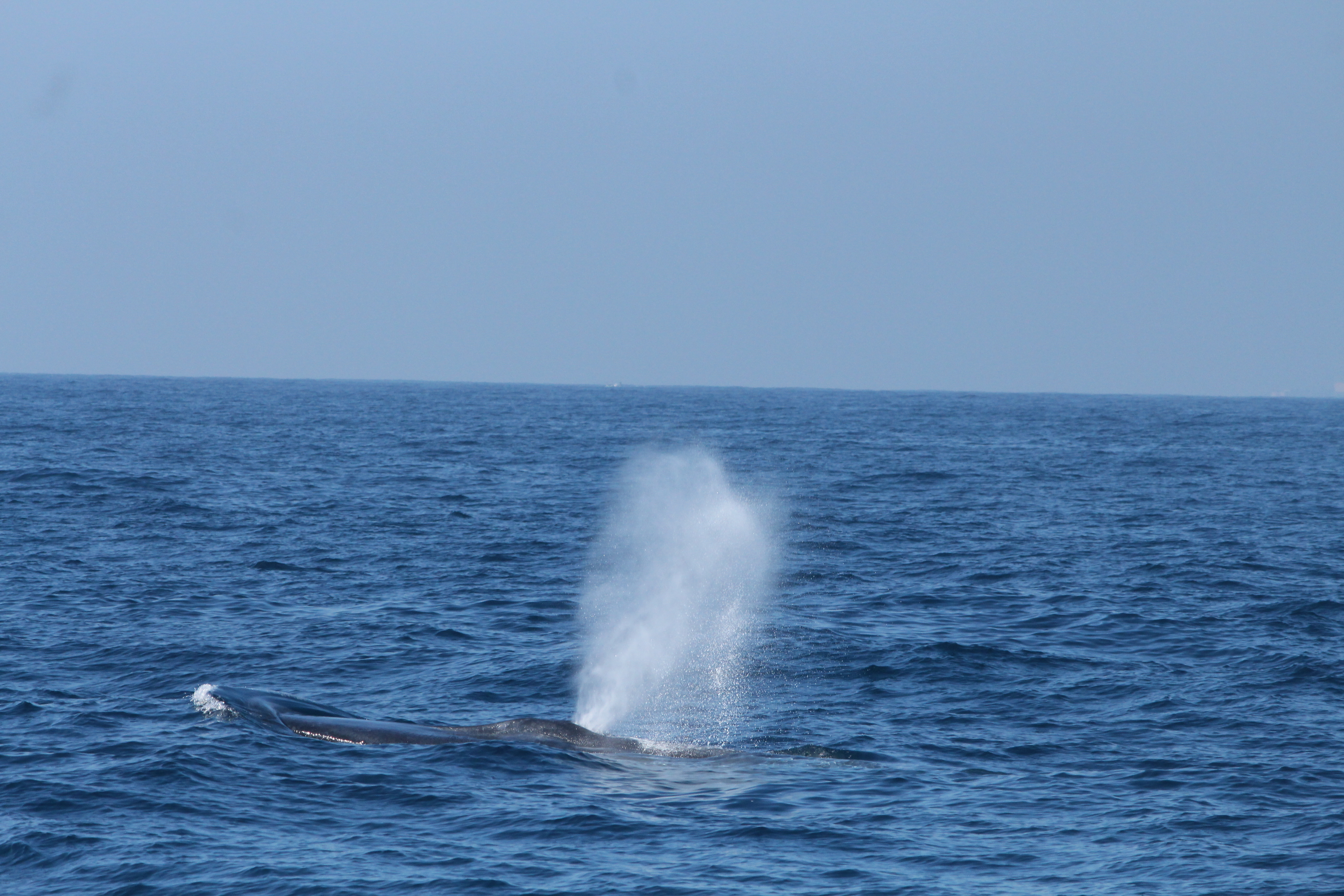
Research revealed that blue whales, sperm whales, Bryde’s whales, and several dolphin species migrate through or reside year‑round in Sri Lankan waters. One of the most significant discoveries was that blue whales could be seen remarkably close to the coast, particularly off Mirissa, Dondra, Trincomalee, and Kalpitiya. This was unusual compared to many other parts of the world, where whales are often found far offshore.
This scientific understanding helped shift perceptions from whales as rare or accidental sightings to Sri Lanka as a key location along major migration and feeding routes in the Indian Ocean.
The true beginning of organised whale watching in Sri Lanka is closely linked with Mirissa Water Sports (MWS) and the vision of Mr. Pierre Pringiers, the former Belgium Consul to Sri Lanka. Following the 2004 tsunami, Mr. Pringiers played an important role in supporting tsunami-affected communities and youth in the Mirissa area, helping them rebuild livelihoods and skills.
A passionate sailor, Mr. Pringiers spent much of his free time at sea. During his sailing journeys off the coast of Mirissa, he made a remarkable observation that blue whales were regularly present close to shore. This discovery was not accidental; it came from countless hours spent respectfully observing the ocean.
Recognising both the ecological importance and the opportunity for sustainable livelihoods, Mr. Pringiers began training a small group of local youth from Mirissa. Among them were Dinesh, Manjula, Chandima, and Nalinda, all residents of the area who would later become the present Directors of Mirissa Water Sports and the main captains of its boats, each with over 20 years of hands-on experience at sea.
Initially, whale watching trips were organised to show blue whales to Mr. Pringiers’ friends and relatives visiting from Belgium. As interest grew, the concept expanded naturally, always rooted in respect for whales and safety at sea.
To support this vision, Mr. Pringiers established a boatyard in Mirissa and, together with the local youth, manufactured a trimaran boat. The process itself became a training opportunity young people were taught boat building and fibreglass technology, creating long-term skills beyond tourism.
This trimaran became the very first boat used for commercial whale watching in Sri Lanka, officially marking Mirissa Water Sports as the pioneer of whale watching tourism in the country.
Between 2010 and 2015, whale watching grew rapidly. Mirissa became a global name among wildlife enthusiasts, while Trincomalee developed as a seasonal whale watching destination on the east coast. Kalpitiya gained popularity for dolphin watching and occasional whale sightings.
However, rapid growth also brought challenges. Increased boat traffic, lack of standardised regulations, and competition among operators raised concerns about whale disturbance, safety, and sustainability. Scientists, conservationists, and responsible tour operators began advocating for better guidelines to protect both marine life and passengers.
In response to these concerns, Sri Lanka gradually introduced guidelines for whale watching. These included maintaining safe distances, limiting the number of boats near a whale, controlling boat speed, and educating guests about marine conservation.
Many operators embraced a more responsible approach prioritising animal welfare over close encounters, reducing time spent around individual whales, and promoting awareness among visitors. Sustainability initiatives, such as reducing plastic use onboard and supporting marine research, became increasingly common.
Today, responsible whale watching in Sri Lanka is not just about sightings; it is about respect, patience, and understanding the ocean as a shared ecosystem.
Sri Lanka is now considered one of the top whale watching destinations globally. The southern coast (Mirissa and Dondra) offers some of the best chances to see blue whales during the northeast monsoon months, while the east coast (Trincomalee) becomes active during the southwest monsoon. Sperm whales, Bryde’s whales, pilot whales, and large pods of dolphins add to the richness of each journey.
Modern whale watching tours use purpose‑built vessels, trained crews, and safety protocols, offering guests a comfortable and educational experience. Many operators work closely with researchers and conservation groups to ensure tourism benefits both people and marine life.
Curious to see it for yourself? Read our complete guide to whale watching in Mirissa, or find out why Mirissa is so popular for whale watching today.
Mirissa Water Sports pioneered commercial whale watching in Sri Lanka, guided by former Belgium Consul Mr. Pierre Pringiers and a group of local youth he trained, who are now the company's directors and lead captains.
Mr. Pringiers, a passionate sailor, noticed blue whales appearing regularly close to shore off Mirissa. Recognising the opportunity for conservation-minded, sustainable livelihoods after the 2004 tsunami, he trained local youth and built the first boat used for commercial whale watching.
A deep continental shelf sits unusually close to Sri Lanka's southern coast, so blue whales, sperm whales, Bryde's whales, and dolphins migrate or feed within a few hours' boat ride of shore, rather than far out at sea as in most other parts of the world.
It was a trimaran built by Mr. Pringiers and local youth at a boatyard he established in Mirissa, where the building process itself taught the trainees boat building and fibreglass technology alongside seamanship.
Yes. Following rapid growth of the industry between 2010 and 2015, Sri Lanka introduced guidelines covering safe approach distances, limits on the number of boats near a whale, and boat speed, which responsible operators follow to protect both whales and passengers.
Mirissa and Dondra on the south coast are best for blue whales during the northeast monsoon months, while Trincomalee on the east coast is active during the southwest monsoon; Kalpitiya is known for dolphin watching and occasional whale sightings.